Is My Child Falling Behind? A Nurturing and Understanding Guide to Identifying When it is Time to Consider Engaging a Tutor
29th October 2025 by Kiran
Introduction
It starts with a sense of unease. A hastily produced piece of homework. A theatrical roll of their eyes or loud sigh at a difficult maths question. A report card covered in remarks like " Could try harder" or "Not working to their potential". As a parent, you want to step in and help them,but you don't know if it's just a phase or if your child is truly falling behind."
This step-by-step tutorial is designed to guide you through this process, which can sometimes be overwhelming. We will examine the signs - both the small and large ones - that indicate the need for additional assistance. We will consider the reasons your child might be struggling and provide a step-by-step guide for determining whether a tutor is right for your family.
First, Take a Breath:
Identifying the Root "Why" of the Challenge
Start working on the signs of your child's struggle. It is beneficial to take a step back and realize that "falling behind" is almost never because they are lazy or just not intelligent enough. Every child learns at their own rate and has their own strengths and weaknesses. A bad grade or a tough week on one particular subject isn't an apocalypse.
Struggles usually happen about:
A Learning Gap: Imagine a brick wall where each brick is a thought. If one brick is missing or loose (such as if your child was ill and missed the most important lesson on fractions), the whole wall trembles. Once a learning gap forms, your child may feel unclear about the material for months (and many times, years) unless the gap is filled.
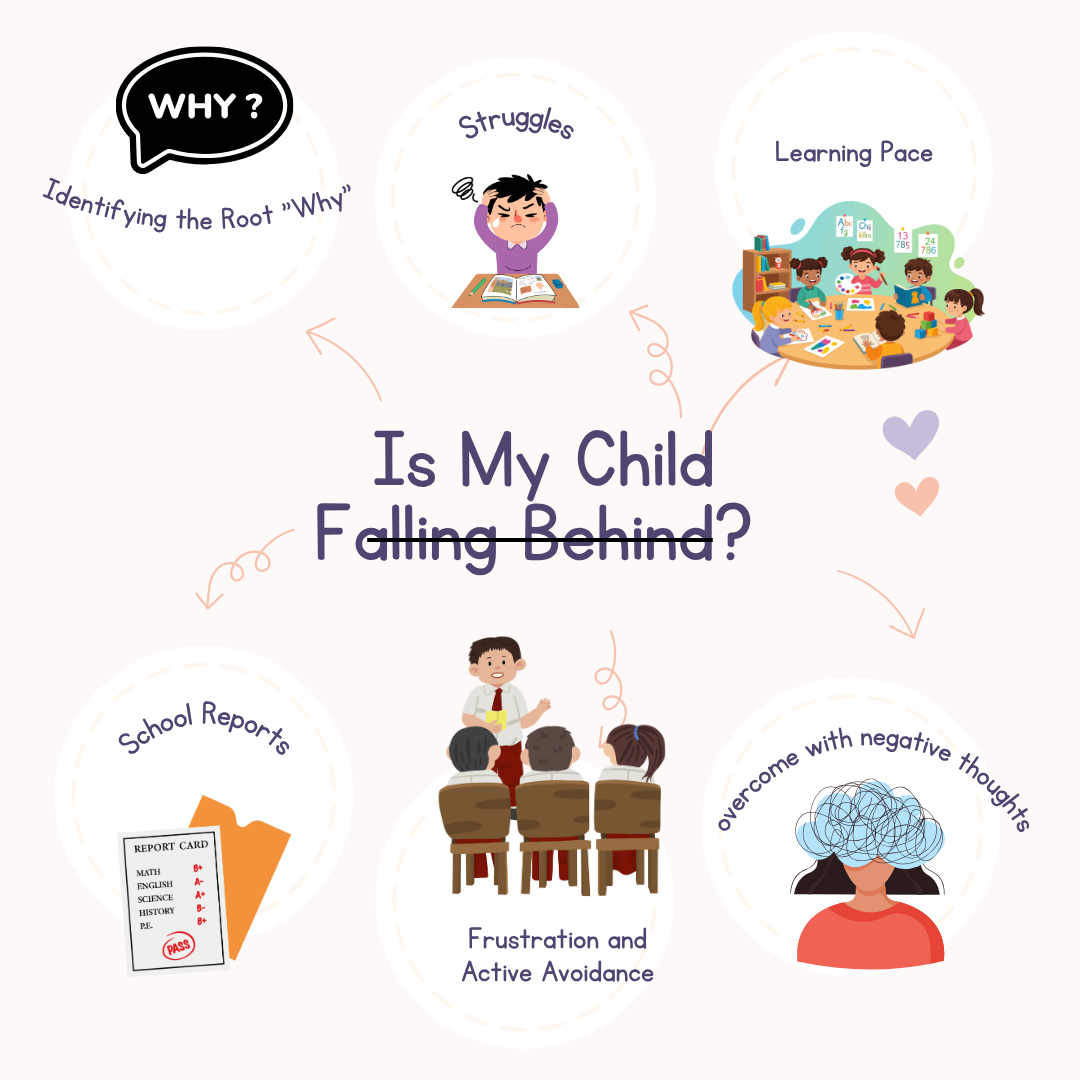
A Change in Learning Pace: The leap from primary to secondary school or from GCSE to A-level is substantial. Students progress rapidly through the curriculum and are expected to work independently. Some children require a slower pace to fully understand new concepts.
A Shortage of Foundation Skills: Literacy and numeracy foundation skills are the foundation on which all learning is built. If a child has wavering reading skills or no basic number skills, it will become very difficult for them to struggle with more difficult ideas throughout the curriculum.
Self-Perception and Attitude:
There is a very definite middle connection between performing poorly in school and their belief in themselves. For example, a child will think "I'm bad at maths," this is a self-fulfilling prophecy, and then they will be less likely to push through when they are confused or try to learn something that will just continue to frustrate them.
The issue should be known before the solution is determined.
The 8 Signs Your Child May Need a Tutor Seek a pattern of events, not one-off events. If you see lots or even just a few, over a period of several weeks or more, it is probably that you will have to look further.
1. Falling Marks and School Reports
This is the most glaring sign. Throughout the tests, we all have off days. However; if your child is continually viewing marks trending downward for all units of assessment for a given subject, or will point to their school report to show that their work is below expectations for that year? Then it is an issue.
2. Overwhelming Frustration and Active Avoidance
Does your kid start crying, get angry, or develop the urge out of nowhere to clean their entire room when you utter the word homework? Running away is a natural defense and coping strategy for them. When your child is chronically procrastinating, or visibly suffering when it comes to working at school this is usually their way of showing that they are overwhelmed, and believe they don't stand a chance. Instead of work to be done it turned into anxiety.
3. How to overcome with negative thoughts
Be a listening ear for your child. What do they tell you about their learning skills? The way they feel and report about school can mean more than just teenage angst. Saying things like "I'm rubbish at English," "I just don't get it," or "What's the point anyway?" reflect a fixed mindset of their skills. Losing a sense of self-worth could affect them more than the skills gap, because they won't even try anymore.
4. Teacher Will Begin To Note Issues
A teacher is going to have significant and varied observations for you, they get to observe how your child is functioning and getting along with 30 other children. If a teacher mentions that they have concerns about your child keeping pace, or finishing work, or being independent and extra practice is required, this is something to pay attention to. Teachers are the greatest resource, and they will have likely noticed these things already.
5. You Feel You Are Not Qualified Enough to Help Them and It Becomes a Family Row
The UK curriculum has fundamentally altered. The way of teaching maths (say number bonds, bar modelling) or teaching phonic work for reading may be quite different from how you were taught. If the only thing that's happening is you're left frustrated and you and your child are fighting about reading or math, then it's not a personal failure on your part. Hiring a third-party tutor who can interact with the child in the materials, grasp the math concept sua or the phonics, will remove the judgment and emotion from the parent-child relationship.
6. They "Get It" When You're With Them and Then Can't Do It Independently
This is also a very common and confusing sign for parents. You are with your child, taking them through an issue and it seems like they get the process and solution. Then you leave and they are totally confused to finish pretend work that was like the example you just finished together. This tends to suggest that they were relying upon the parent for cues, as opposed to having completed actual internalization of the knowledge or the process of problem-solving.
7. Sudden Disengagement from School and Learning
A once curious and interested child typically is now disinterested in school, does not care to talk about their day, and no longer wish to learn anything new. Behind this disengagement lies something more. It is much simpler to utter "school is boring" than it is to express the understanding of "school is too difficult."
8. Getting Ready for an Important Test
In the British system, tests like the 11+ (for grammar school entry) GCSEs and A-Levels etc are major life events and you’re studying your brains out when you take them. A student who is already bright but needs help with exam technique, time management and syllabus coverage may want a tutor.
Deciding When It’s Time to Get a Tutor
Recognizing the signs is one thing, but recognizing when the time is right to do something about it is another. Here are some of the typical situations which might suggest that using the services of a tutor will turn a child's education around for the better.
A good tutor can be an unofficial mentor for your child, offering encouragement and a safe space in which to ask "silly" questions and get things wrong without fear of being labeled as inadequate.
When Should You Do This: The rule of thumb is to do it sooner rather than laterThis means: A small learning gap in Year 5, can grow into a gargantuan, tangled wall by Year 9. Getting help early is less stressful for the child, less expensive for you, and more effective in both the short and long run.
A Detailed Plan of Action to Implement Before You Start Looking to Find a Tutor
Before you start seeking out tutors, do the following internal action plan:
- Have an Open and Calm Conversation With Your Child:
Accusatory phrases are best not used. Make "I" statements. "I've noticed recently you seem a bit stressed with your maths homework. I'm on your side, what can we do to help."
- Talk to the Teacher:
Arrange to have a chat with the subject teacher or form tutor of the child. Pose pragmatic, concrete questions, for instance, "what particular areas is she finding tough?" "is it a lack of understanding or class concentrating problem?" "what have you attempted so far?"
- Go Back to Fundamentals:
First let’s remove the source of any potential problems. Is your child rested? Are they talking or typing on a device into the night and ruining their sleep as well? Are they struggling with social or emotional stress at school, maybe that’s the reason of holding them back from focusing?
- Add More Details into your Objectives:
Exactly what are you trying to achieve? Is it "to achieve an A in GCSE Maths" or is it "to be confident to put up your hand and contribute in class?
It will assist in searching for a tutor if you are specific of what you wish to gain from the tuition.
How to choose the right tutor to meet child’s Need
Not every tutor is equal. The "best" tutor is the one that is best suited to your child's personality and requirements.
Types of tutors:
- The Subject Specialist is excellent for students taking GCSE/A-Level examinations.
- Subject specialists understand and have up-to-date knowledge of the specification from the exam board (AQA, Edexcel etc.).
- The Primary Generalist is highly suitable for younger learners who want to lay solid foundations in literacy and numeracy in a fun way.
- The Exam Technique Expert is essential for 11+ exams and other entrance exams. They're familiar with the test formats inside & out.
- The SEN Specialist is (literally) a godsend if your child has a diagnosis like dyslexia, ADHD or autism. If the tutor possesses specific training and experience, it will be the difference.
- Where to find them:
- Personal referral : From friends you know who are other parents -
- Good tutoring agencies: They will have screened their tutors and can assist with matching you based on your requirements.
- On-line tutoring sites: With access to numerous tutors right around the country with a great deal of flexibility.
- Community bulletin boards : Check in your local library or community centre.
The Vetting Process:
Always have a first conversation or test session.
“How would you provide progress feedback to me?”
And, no less important, your child needs to have a hand in the decision. No learning will occur if your child doesn’t resonate or connect with the tutor. That would mean understanding that not all students are alike, and that most of them probably need to decompress in a bit more individual way. The goal of the great teacher is not to produce a crutch, but to become unnecessary.
The objective is to empower your child with skills, knowledge and, above all, the confidence that they can do it for themselves in the long run. If you are aware of the signs, ask the appropriate questions and take the appropriate action, you are not merely fostering your child's potential to 'catch up', but you are enabling them to be progressing, with confidence and enjoyment in learning again.
Categories : advice ,books ,business ,competitions ,course-work ,days-out ,education ,english ,health ,languages ,languages ,learning-difficulties ,online-tuition