Smart Study Hacks for Gen Z students in the UK
23rd October 2025 by Kiran
Introduction
In today’s world, where TikTok, Instagram Reels, and endless channels of information exist, studying has become both easier and complicated as well. Gen Z students born between 1997 and 2012 have grown up wrapped in defenses, multitasking between practice, part-time jobs, and social media. As compared to their parents, who used scrapbooks and libraries, Gen Z has a command of Google, ChatGPT, and YouTube tutorials. They can use all these apps at their fingertips. Having a technological advantage, Gen Z students frequently struggle with focus, time management, and stress. So, how can this digital generation use their strengths to study smarter — not harder?
This occasion idea, “ Smart Study Hacks for Gen Z students in the UK, ” explores how youthful learners can combine traditional ways with ultramodern tools to make studying more effective, pleasurable, and productive.
1. The Gen Z Learning Landscape
Before learning the hacks, we need to understand what makes Gen Z unique. Unlike former generations, they're technophiles — comfortable in changing apps, social platforms, and online classrooms. They crave visual literacy, prefer suck - sized content, and anticipate immediate feedback.
In UK universities and in organizations, these students are reshaping the way education happens. With the transition to combined literacy, a combination of online and offline instruction, new challenges and opportunities have arisen. Short-form videos and digital flashcards, as well as AI-based training apps, are also being applied by many UK scholars as an alternative to conventional handbooks.
However, with such crucial information around, the information spans are getting shorter.
It has been explored that the attention span of Gen Z is approximately 8 seconds, whereas that of millennials is 12 seconds on average. The difficulty is the availability of information - filtering, fastening, and effective use of information.
2. The Pomodoro fashion — With a Digital Twist
The Pomodoro fashion is a widespread time management technique that consists of 25-minute focused working periods with brief breaks in between. This is just a little trick that can be used to overcome procrastination and enhance concentration.
But Gen Z has brought it to the next stage. Such applications as Forest, Focus To-Do, and Pomofocus introduce gamification into this system. As an example, in Forest, you have to focus, and with each focus, you plant a virtual tree, and when you leave the app without prior notice, the tree will die. It's a provocation through illustrations and responsibility.
3. Short-Form literacy Through rolls and YouTube Films
In history, students sat through hour-long lectures to grasp one concept. moment, Gen Z can learn complex motifs in under a nanosecond. Thanks to generators on Instagram Reels, YouTube Films, and Facebook Reels, you can find quick explanations for everything from math to Shakespeare.
As an example, the Instagram blogger, who leads a study hack hub, posts 30 alternative summaries of test tips, and another blogger, who runs the account GCSE Maths tutor, provides the UK students with short videos on how to solve the problems. Gen Z is the perfect fit for this micro-learning style; it is brief, visual, and can be viewed anywhere and anytime.
Pro Tip
Curate your feed. Follow educational tutors who align with your subjects. produce a “ Study Reels ” playlist to readdress before examinations.
4. AI Study mates and Digital Tutors
The days of going through bulky handbooks are long gone, and the waiting weeks before school tutors can respond. However, currently, AI applications such as ChatGPT, Quizlet AI, and Notion AI serve as teachers at will. The students will be able to request AI to clarify the concepts in simple terms, create self-assessment quizzes, summarize long lecture notes, and create an individual study schedule based on their test dates.
Most online training platforms in the UK are also incorporating AI as a co-pilot in learning. As an illustration, a math tutor could apply AI to create individualized exercises on the basis of the mistakes by a student. This makes learning not only effective but also adaptive.
Pro Tip
Use AI responsibly. Don’t calculate on it to do your work; use it to enhance understanding. Always confirm information with trusted academic sources.
5. Flashcards in digital format with spaced repetition
Often, memorization is the most difficult aspect of learning. The spaced reiteration system, powered by digital flashcards, is a proven brain hack to retain information for the long term.
Apps like Anki, Quizlet, and Brainscape use algorithms to remind you of material right before you’re likely to forget it — strengthening memory retention. Numerous Gen Z scholars find it easier to study vocabulary, formulas, and literal data through these interactive platforms.
Pro Tip
Rather than making hundreds of flashcards at once, produce small batches daily. This habit builds thickness and prevents last-minute cramming.
6. The Power of Visual Notes and Aesthetic Study Spaces
Gen Z students prefer digital literacy. Platforms like Pinterest and Notion have turned studying into an art form. You are more likely to go over your notes on a frequent basis when they are varied and well-organized.
Pro Tip
Trial with mind charts, infographics, and etches. Turning information into illustrations helps your brain understand and remember it better.
7. Music, Focus Playlists, and Ambient Sounds
The right background sound can transfigure your study session. While some students thrive in silence, numerous Gen Z learners prefer lo-fi beats, classical music, or ambient sounds to maintain focus.
Spotify and YouTube have innumerable playlists like “Lo-Fi Beats to Study Relax To ” or “ Rainy Day Study Music. ” The metrical and non-distracting melodies can help you enter a state of deep attention known as 'inflow '. ”
Pro Tip
Avoid songs with lyrics when studying for heavy reading subjects. Rather, choose necessary or ambient playlists.
8. Time- Blocking and Digital Planning Tools
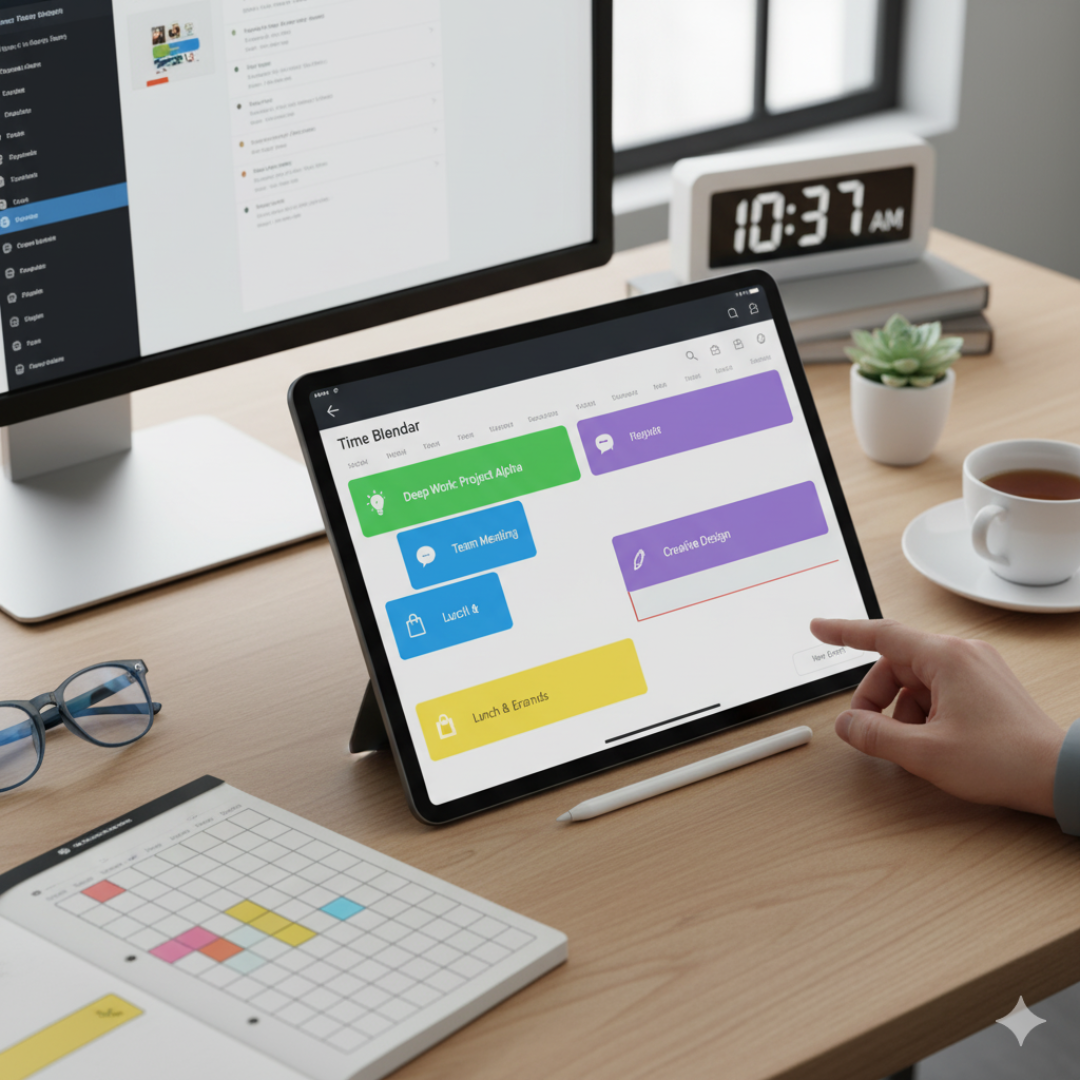
Meeting deadlines on several occasions can be overwhelming to handle, particularly when the UK students has to cope with course work, part-time employment, and social life at the same time. It is where time-blocking comes in.
Pro Tip
Colour- law subjects and tasks. This visual association helps you stay on track and reduces stress before examinations.
9. Peer Learning and Online Study Communities
One of the most important Gen Z study hacks isn’t an app; it's collaboration. Platforms like Discord, Reddit, and indeed Instagram group exchanges have come to study capitals where UK students partake in coffers, bandy questions, and motivate each other.
For illustration, numerous UK- grounded A-level and university students join disharmony waiters devoted to their subjects. These communities frequently host live “ study sessions, ” group challenges, and resource barters.
Pro Tip
Produce your own digital study group. Use a participating Google Drive brochure to change notes and practice papers. Learning with peers increases provocation and builds responsibility.
10. Significance of Mental Wellness and Mindfulness in Research.
The stress to perform is unending; there is a tendency to burn out. Consciousness about such exercises as deep breathing or brief contemplation between the study sessions will bring your mind to calm and enhance concentration. Another example of impeccably fitting between Pomodoro breaks is apps such as Headspace and Calm which provide guided sessions in a few minutes.
UK universities are also prioritizing pupil well-being through comforting services, online health shops, and peer support programs.
Pro Tip
Before every study session, take two twinkles to breathe deeply and set an intention. A calm mind absorbs information briskly.
11. Price- Grounded Motivation Systems
Studying doesn’t have to feel like a chore. Gen Z thrives on prices and instant gratification, and that can be used to your advantage.
Set small pretensions — like finishing a chapter or completing a quiz — and reward yourself with pleasurable commodities, whether it’s a snack, a short walk, or 10 twinkles of scrolling your favourite app.
Apps like Habitica indeed turn your study pretensions into a videotape game, where completing tasks earns you points and unlocks achievements.
Pro Tip
Combine this with the Pomodoro system after four study sessions, reward yourself with a longer break or a commodity you authentically enjoy.
12. The Future of Learning: Blending AI, Creativity, and Mortal Connection
Education no longer involves classrooms and thick books. The future of learning amongst Gen Z people, and more so in the UK, will be a combination of technology and creativity.
Imagine AI-driven platforms that describe your stress situations and acclimate your study plan automatically. Or smart spectacles that epitomize your notes as you walk to class. These inventions are no longer wisdom fabrication — they’re getting part of the academic geography.
But amid this digital revolution, the mortal touch still matters. Preceptors, teachers, and instructors remain essential for guidance, emotional support, and critical thinking — no app can replace.
Conclusion Study Smart, Not Hard
Gen Z students in the UK are reconsidering how to study in a workshop. With access to endless tools, short- form vids, AI teachers, and global study communities, they've the opportunity to learn in ways former generations could only imagine.
But the smartest students aren’t the ones who use all the tools; they're the ones who use the right bones constantly. By blending digital effectiveness with literacy, Gen Z can unleash their full academic eventuality.
The communication is simple. Don’t fight technology — harness it intelligently. Learn in your own style, take breaks when demanded, and flash back that studying isn't about perfection, but progress.
Categories : a-level ,advice ,business ,competitions ,education ,english ,exams ,homework ,jobs ,languages ,jobs ,languages ,learning-difficulties ,online-tuition